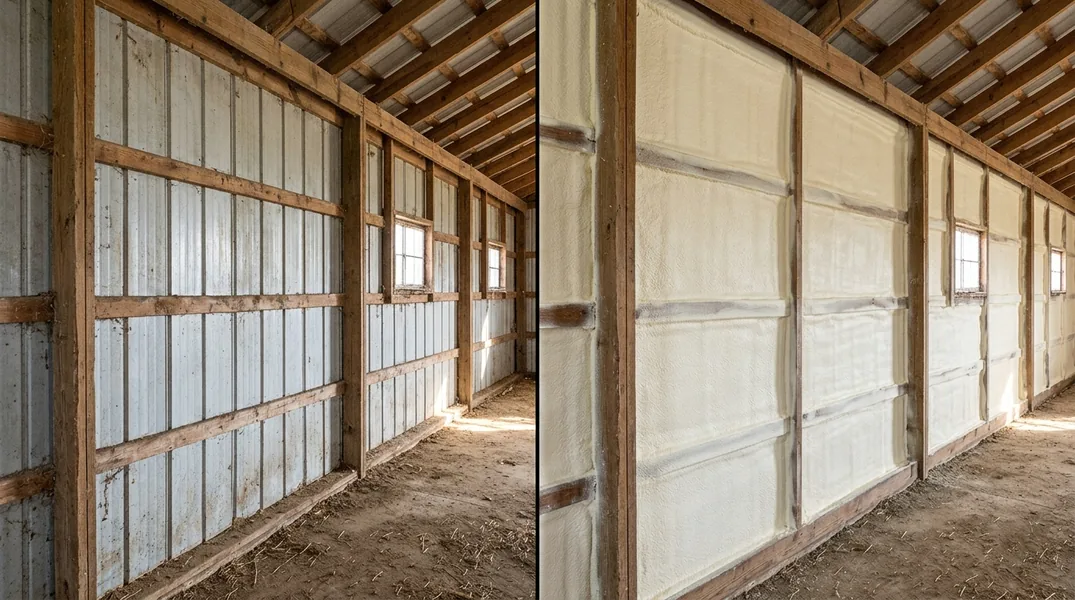
Why Ashland Park's Early 1900s Homes Need Modern Insulation Solutions
Ashland Park stands as one of Lexington's most charming neighborhoods, with its collection of early 1900s bungalows representing a cherished piece of local history. These homes, built with character and craftsmanship, often feature original architectural details that homeowners want to preserve. However, many of these historic structures face a modern challenge: inadequate insulation. The cavity wall construction, minimal attic insulation, and air leaks common to homes of that era mean energy bills can run significantly higher than newer properties, and indoor comfort suffers during Kentucky's hot summers and cold winters.
If you own one of these charming bungalows, you've likely noticed temperature swings from room to room or felt drafts creeping in during winter. These issues stem from the building practices of the time, which prioritized aesthetics and durability over thermal performance. The good news is that modern insulation technology offers solutions that don't require tearing into your home's historic fabric. Attic Spray Foam Insulation has emerged as a popular choice for homeowners seeking to improve energy efficiency while maintaining their home's original character.
Is Spray Foam Insulation Worth It for Your Ashland Park Bungalow?
The question of whether spray foam insulation is worth the investment depends on your specific situation, but for early 1900s bungalows in Ashland Park, the answer is often yes. Traditional fiberglass batts leave gaps, settle over time, and fail to seal air leaks that account for significant energy loss. Spray foam, by contrast, expands to fill every cavity, crack, and crevice in your attic, creating an air-tight seal that dramatically reduces heat transfer. Homeowners typically see energy savings of 15 to 30 percent on heating and cooling costs, which can recoup the initial investment within five to ten years, depending on your climate and usage patterns.
Beyond energy savings, spray foam insulation provides additional benefits that justify the expense. It improves indoor air quality by reducing drafts and preventing outside air from carrying dust, pollen, and allergens into your living spaces. It also enhances structural integrity by adding rigidity to roof decking and can help prevent moisture problems that plague older homes. For Ashland Park residents who value both comfort and long-term home protection, these advantages combine to make spray foam insulation a worthwhile investment. The key is selecting the right type and working with qualified professionals who understand the unique needs of historic homes.
Is Spray Foam Insulation Safe? Addressing Common Concerns
Safety is a legitimate concern when considering any home improvement, and spray foam insulation comes with specific considerations worth understanding. The primary safety question centers on the chemicals used during application and any potential off-gassing afterward. Modern spray foam products are formulated to meet strict EPA and industry standards, and professional installers follow rigorous protocols to minimize exposure. During the application process, workers wear protective equipment, and homeowners should vacate the premises. After installation, proper ventilation for 24 to 48 hours allows any residual fumes to dissipate, leaving behind an inert, stable material.
Once cured, spray foam insulation is safe and poses no ongoing health risks to occupants. The material doesn't break down, doesn't off-gas indefinitely, and doesn't harbor mold or pests when installed correctly. However, quality matters tremendously. Hiring licensed, experienced contractors who use EPA-approved products and follow best practices is essential. Poor installation can lead to incomplete curing, improper mixing ratios, or inadequate ventilation, any of which can create safety issues. This is why choosing a reputable local provider in Lexington is so important. Lexington Spray Foam Insulation prioritizes safety at every step, ensuring your home receives professional-grade protection without compromise.
Understanding Spray Foam Off-Gassing and What It Means for Your Home
Spray foam off-gassing is perhaps the most misunderstood aspect of this insulation type. Off-gassing refers to the release of volatile organic compounds (VOCs) that occur during and immediately after the spray application process. This is a temporary phenomenon, not a permanent condition. The intensity and duration of off-gassing depend on several factors, including the specific foam chemistry, application temperature, humidity levels, and ventilation. Closed Cell Spray Foam Insulation typically off-gasses for 24 to 48 hours, while Open Cell Spray Foam Insulation may require similar timeframes depending on the product.
To manage off-gassing effectively, professional installers recommend keeping your home well-ventilated immediately after application. Open windows, use exhaust fans, and avoid occupying treated areas until the curing process is complete. Some people report mild odors or temporary respiratory irritation during this period, but these symptoms resolve quickly once ventilation improves. If you have sensitivities to chemical odors or respiratory conditions, inform your contractor beforehand so they can take additional precautions. The temporary discomfort of off-gassing is vastly outweighed by the long-term benefits of improved insulation, reduced energy costs, and enhanced home comfort that spray foam provides for years to come.
Spray Foam Insulation Pros and Cons: A Balanced Look for Historic Home Owners
Like any home improvement solution, spray foam insulation comes with distinct advantages and limitations. On the pro side, spray foam offers superior thermal performance compared to traditional insulation, with R-values ranging from R-3.5 to R-7 per inch depending on the type. It creates an air-tight seal that eliminates drafts and reduces energy consumption significantly. It's durable, lasting 80 years or more without settling or degrading. It provides excellent moisture resistance, which is particularly valuable for older homes prone to dampness. And it can be applied to irregular spaces, around obstacles, and in tight corners where traditional insulation would be impossible to install properly.
The cons deserve honest consideration as well. Spray foam costs more upfront than fiberglass or cellulose insulation, though the long-term energy savings often justify the expense. Installation requires trained professionals with specialized equipment, so DIY is not an option. Once applied, spray foam is difficult and costly to remove or modify if you later need to access attic spaces for repairs or upgrades. Some people find the odor during curing objectionable, though this is temporary. Additionally, if not installed correctly, spray foam can trap moisture or create ventilation problems, particularly in attics. For historic homes like those in Ashland Park, working with contractors experienced in older construction is crucial to avoid these pitfalls.
Choosing Between Closed Cell and Open Cell Spray Foam for Your Bungalow
Understanding the difference between closed cell and open cell spray foam helps you make the right choice for your Ashland Park home. Closed cell foam has a denser structure with cells that are tightly packed and sealed, creating a vapor barrier. This type offers higher R-value per inch (R-6 to R-7), superior moisture resistance, and greater structural strength. Closed cell is ideal for attics in older homes where moisture control is critical and space is limited. Open cell foam has a more porous structure, offering lower R-value per inch (R-3.5 to R-3.6) but greater flexibility and lower cost. It's vapor-permeable, meaning it allows moisture to pass through, which can be beneficial in certain applications.
For most early 1900s bungalows in Lexington, closed cell spray foam is the preferred choice. Historic homes often have moisture issues from outdated roof ventilation, poor drainage, and age-related deterioration. Closed cell foam's vapor barrier properties help protect against these problems while delivering maximum insulation value in limited attic space. However, your specific situation depends on factors like your attic's current ventilation, local climate patterns, and budget constraints. This is why a professional assessment is invaluable. Contact Lexington Spray Foam Insulation at (859) 309-7396 or request a free estimate to discuss which option best suits your home's unique needs.
Getting Started: Spray Foam Insulation Near Me in Lexington-Fayette Urban County
If you're ready to improve your Ashland Park bungalow's energy efficiency and comfort, the first step is connecting with qualified local professionals who understand historic home construction. Lexington Spray Foam Insulation serves Lexington with expertise in residential spray foam applications. We work with homeowners to assess their insulation needs, explain the pros and cons specific to their situation, and provide transparent pricing for the work involved. Our team takes time to answer your questions about safety, off-gassing, product selection, and long-term performance so you can make an informed decision.
The process begins with a detailed inspection of your attic, existing insulation, ventilation, and any moisture or air leakage issues. We'll discuss whether attic spray foam, wall injection foam, or a combination approach makes sense for your home. We'll explain what to expect during installation, how to prepare your home, and what happens during the curing period. Most importantly, we'll help you understand the return on investment and how spray foam insulation will benefit your daily comfort and your home's long-term value. Don't let another winter go by paying premium energy bills to heat a drafty historic home. Reach out to Lexington Spray Foam Insulation today at (859) 309-7396 or visit our website to schedule your free estimate.
Looking for a professional spray foam insulation contractor in Lexington? Lexington Spray Foam Insulation responds fast for all your spray foam insulation needs.
Get a Free Quote