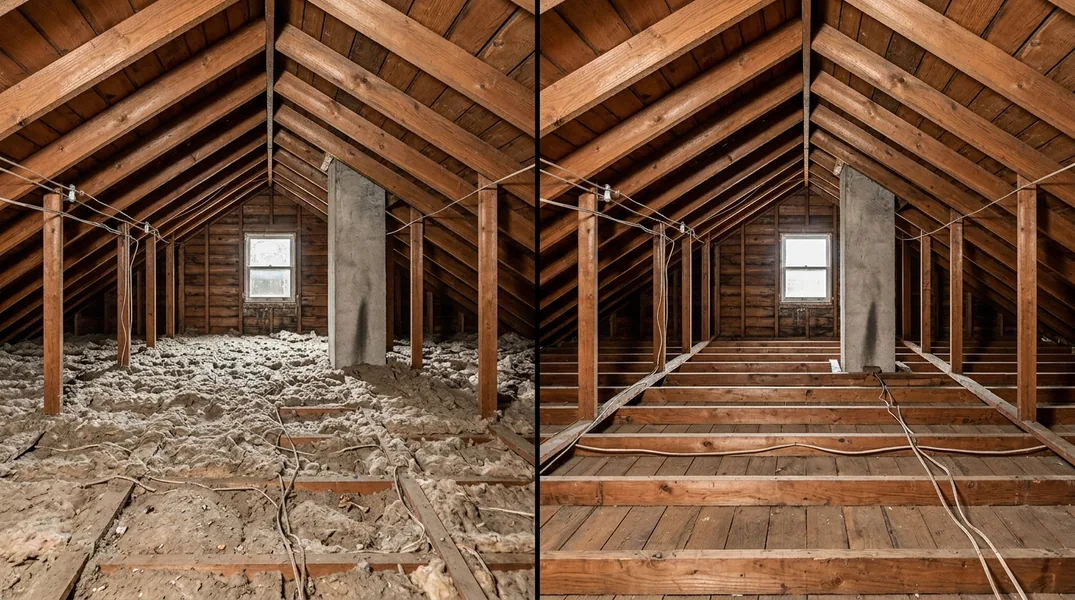
Understanding Lexington Permitting for Spray Foam Insulation
If you own a home in Lexington, you've likely heard that spray foam insulation is one of the most effective ways to seal air leaks and improve energy efficiency. But before you call a contractor, it's important to understand how local permitting works and what it means for your project timeline and costs.
The Lexington building department requires permits for most Attic Spray Foam Insulation work, particularly when the project involves structural changes, electrical work near insulation, or modifications that affect ventilation and moisture management. Permitting isn't just a bureaucratic hurdle; it ensures that your insulation installation meets fire codes, ventilation requirements, and energy efficiency standards that protect your home's long-term performance and safety. Understanding these requirements upfront helps you budget properly and avoid costly delays.
Open Cell vs Closed Cell Spray Foam: Which Meets Lexington Code?
One of the first decisions you'll face is choosing between Open Cell Spray Foam Insulation and Closed Cell Spray Foam Insulation. Both products work, but they perform differently and have different implications for local code compliance in Lexington.
Open cell spray foam is lighter, more affordable, and allows moisture vapor to pass through. It's an excellent choice for interior applications where breathability matters. The open cell spray foam R-value typically ranges from R-3.5 to R-3.8 per inch, meaning you need thicker applications to achieve high insulation ratings. This foam is commonly used in attics and interior walls where code allows, and it's often preferred by homeowners watching their budget.
Closed cell spray foam, by contrast, is denser, more moisture-resistant, and provides superior air sealing properties. The closed cell spray foam R-value is significantly higher, typically ranging from R-6 to R-7 per inch. This higher closed cell spray foam r value means you achieve better insulation performance with less thickness, which is valuable in attics with limited space. Closed cell foam also acts as a vapor barrier, making it ideal for below-grade applications, crawl spaces, and areas prone to moisture. Local codes in Lexington often favor closed cell for basement and foundation work specifically because of these moisture-resistance properties.
Your permitting inspector may have preferences based on the specific application and your home's construction type. Before starting your project, it's wise to discuss foam type options with your contractor, who can navigate local code requirements and recommend the best fit for your situation.
Fire Code and Vapor Barrier Requirements in Lexington
Fire safety is a major factor in how Lexington regulates spray foam insulation. Both open cell and closed cell foams are Class A fire-rated when properly installed, but local code may require specific finishing treatments depending on where the foam is applied.
In attics, for example, exposed spray foam often requires a thermal barrier (usually 1/2-inch drywall or equivalent) to slow flame spread and prevent direct contact with living spaces. This requirement affects your project timeline and overall cost, as the thermal barrier installation is a separate step that must be completed before the space is considered code-compliant. Inspectors will verify this during a final walkthrough. For Wall & Injection Foam Insulation applications, the foam is typically encased within the wall cavity itself, which naturally provides the required barrier, so your permitting process may move more quickly.
Vapor barrier requirements also depend on your foam choice and application. Closed cell foam acts as its own vapor barrier due to its density, which simplifies code compliance in many cases. Open cell foam is vapor-permeable, so you may need to install a separate vapor barrier on the warm side of the insulation in certain climates. Your local inspector will clarify these details during the permit review, and your contractor should be familiar with current Lexington standards.
Ventilation and Moisture Management Considerations
Proper ventilation and moisture control are critical to your insulation system's long-term success, and Lexington building codes take these issues seriously. When you install spray foam, you're changing how air and moisture move through your home, and the permitting process ensures those changes don't create problems like mold growth or structural decay.
In attics, for instance, some code scenarios require you to maintain soffit and ridge venting even after spray foam installation. Other scenarios allow you to eliminate ventilation entirely if the foam is installed correctly and covers the entire roof deck. The distinction matters because it affects your project scope and cost. An open attic with partial foam coverage might require specific ventilation pathways, while a fully sealed attic with closed cell foam may not. Your permitting inspector will outline these requirements based on your specific attic design and your chosen foam type.
If you're considering spray foam for a crawl space or basement, moisture management becomes even more critical. Closed cell foam's higher moisture resistance is one reason it's often mandated for below-grade work in Lexington. The permitting process ensures you're not creating a moisture trap that could lead to expensive problems down the road. Discussing these details with your contractor before submitting permit paperwork saves time and prevents costly revisions.
The Permit Timeline and Budget Impact
Understanding the permitting timeline helps you plan your insulation project realistically. In most cases, obtaining a permit in Lexington takes one to two weeks, though complex projects may take longer. Once your permit is approved, your contractor can schedule the spray foam installation, which typically takes one to three days depending on square footage and foam type. After installation, the inspector schedules a final inspection to verify the work meets code, which usually happens within a few days.
The total timeline from permit application to final approval usually spans three to four weeks. If your project requires additional work like thermal barriers or ventilation modifications, add another week or two. This timeline affects your overall project cost and disruption to your home, so it's important to factor it into your planning.
Permitting fees and inspection costs are separate from the foam installation itself. These costs vary based on project scope, but budgeting an extra 5 to 10 percent on top of your insulation pricing for permits and inspections is a reasonable estimate. Your contractor can provide more specific numbers once they understand your project details. If you're unsure about total costs and timeline, reach out to Lexington Spray Foam Insulation at (859) 309-7396 or request a free estimate that includes permitting considerations.
Working with Your Contractor on Code Compliance
The best way to navigate Lexington permitting for your spray foam project is to partner with a contractor who understands local codes and has experience managing the permit process. A knowledgeable contractor will help you choose between open cell and closed cell foam based on code requirements, anticipate inspector concerns, and ensure your installation passes final inspection the first time.
Before hiring, ask your contractor about their experience with Lexington permits, their familiarity with current fire and ventilation codes, and whether they handle all permitting paperwork or expect you to manage it. A professional contractor should be able to explain why they recommend a specific foam type for your situation and how it meets local requirements. They should also provide a written estimate that breaks down foam type, R-value, thermal barrier costs, and permitting fees separately so you understand exactly what you're paying for.
Ready to move forward with your attic or wall insulation project? Contact Lexington Spray Foam Insulation today to discuss your needs and learn how local permitting affects your specific situation. Call (859) 309-7396 or request a free estimate and let our team guide you through the process with confidence.
Looking for a professional spray foam insulation contractor in Lexington? Lexington Spray Foam Insulation responds fast for all your spray foam insulation needs.
Get a Free Quote