Understanding Climate Zone 4A and Lexington's Unique Moisture Challenge
Homeowners in Lexington face a specific insulation puzzle that many don't fully appreciate. We sit squarely in Climate Zone 4A, a region characterized by cold winters and humid summers. This combination creates what building scientists call a mixed-humid climate, where moisture management becomes as critical as thermal resistance.
The challenge isn't just about keeping warm in December or cool in July. It's about preventing moisture from infiltrating your home's cavities, where it can trigger mold growth, rot wood framing, and degrade insulation performance. Standard fiberglass batts and blown-in cellulose, while affordable, absorb moisture like a sponge. When humidity levels spike (which happens frequently in the Bluegrass region), these materials lose effectiveness and invite structural damage. This is why understanding your climate zone and choosing the right insulation strategy matters so much for long-term home health.
Why Crawl Space Insulation is Critical in Zone 4A
Many homeowners overlook their crawl spaces until a problem forces their hand. Yet crawl spaces are often the primary pathway for moisture, outside air, and temperature loss throughout your home. In Lexington, where spring rains and summer humidity are common, an uninsulated or poorly insulated crawl space becomes a moisture collection zone that directly affects your living spaces above.
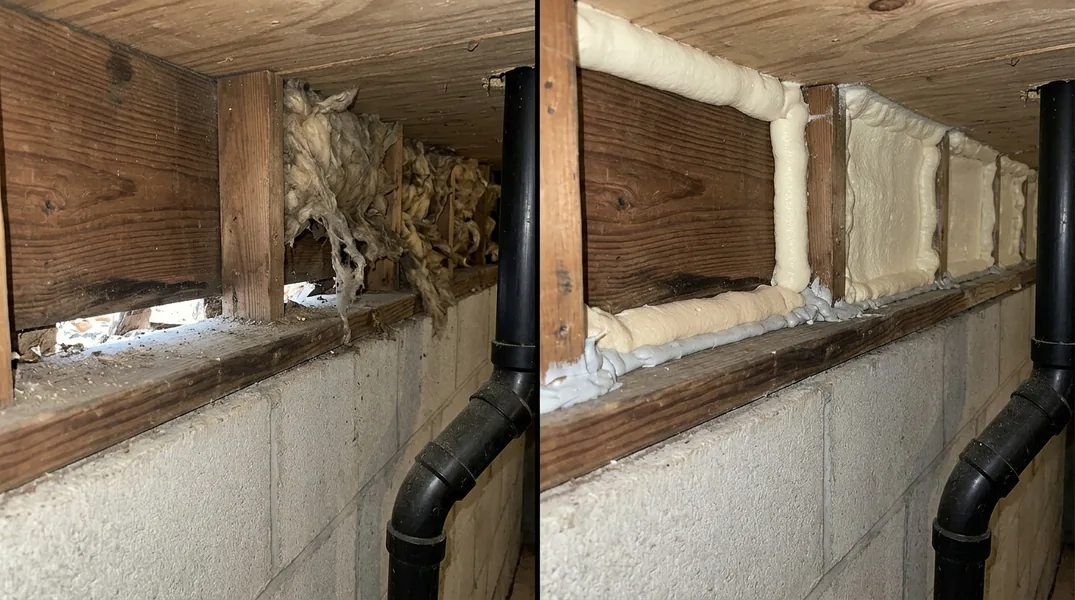
Crawl space insulation serves two critical functions: it creates a thermal barrier between your conditioned living space and the cold or damp earth below, and it prevents outside air from entering your home's envelope. Traditional fiberglass batts installed between floor joists fail in humid climates because they absorb ground moisture and condensation, leading to mold and reduced R-value. This is where spray foam solutions become invaluable for homeowners seeking long-term protection.
Crawl Space Spray Foam: The Moisture-Resistant Solution
Crawl space spray foam represents a fundamental shift in how we approach foundation insulation in humid climates. Unlike traditional materials, spray foam creates a continuous air and moisture barrier that doesn't degrade when exposed to humidity. When properly installed, it adheres to rim joists, band boards, and floor joists, sealing air leaks while providing insulation in one application.
The key advantage for homeowners is performance consistency. Closed Cell Spray Foam Insulation offers an R-value of approximately 6.5 to 7.0 per inch and includes a vapor barrier, making it ideal for crawl spaces where moisture is a persistent concern. Open Cell Spray Foam Insulation works well in certain applications where vapor permeability is desired. Both options outperform fiberglass in moisture-prone environments. When you invest in crawl space spray foam, you're protecting your home's structural integrity and maintaining consistent thermal performance year-round, regardless of seasonal humidity spikes.
Pier and Beam Insulation: Solving Cold Floors in Older Homes
Older homes throughout the Bluegrass region often feature pier and beam (or post and beam) foundations. While charming and historically sound, these homes present unique insulation challenges, particularly cold floors in winter. The open space beneath the home allows outside air to circulate freely, making it nearly impossible to maintain comfort or efficiency without proper insulation.
Pier and beam insulation requires a different approach than traditional crawl space work. The open structure means you need insulation that won't sag, absorb moisture, or deteriorate over decades. Spray foam is exceptionally well-suited to this application because it adheres to the underside of floor joists and beams, creating a thermal envelope that moves with the home's natural settling and expansion. Homeowners with pier and beam foundations report dramatic improvements in floor comfort and heating bills after upgrading to spray foam. If you're experiencing cold floors or notice drafts in a home with this foundation type, professional assessment is your first step toward a lasting solution.
Best Insulation for Crawl Space: Comparing Your Options
When researching the best insulation for crawl space, you'll encounter several materials: fiberglass batts, blown-in cellulose, rigid foam boards, and spray foam. Each has tradeoffs, but in Climate Zone 4A, moisture resistance is non-negotiable. Fiberglass batts are inexpensive but absorb moisture and lose R-value when damp. Blown-in cellulose offers decent coverage but faces the same moisture vulnerability. Rigid foam boards provide moisture resistance but create gaps where air can infiltrate, requiring careful sealing.
Spray foam stands apart because it simultaneously insulates and air-seals. There are no gaps, no moisture absorption, and no degradation over time. The material's closed-cell structure repels water while maintaining consistent performance across seasonal temperature and humidity changes. For homeowners in Lexington seeking the most reliable, long-lasting solution, spray foam consistently delivers superior results. The investment is higher upfront, but the durability and performance advantages justify the cost for most homeowners planning to stay in their homes for more than five years.
Cold Floors Insulation: Creating Comfort from Below
Cold floors are one of the most common complaints from homeowners, particularly in homes with exposed crawl spaces or inadequate foundation insulation. In winter, cold air rising from below makes living spaces uncomfortable, and your heating system works harder to compensate. This inefficiency drives up energy bills and creates uneven temperature distribution throughout your home.
Cold floors insulation addresses this problem by creating a thermal barrier between your living space and the unconditioned area below. Spray foam is particularly effective because it seals air leaks while insulating, eliminating the drafts that make floors feel cold even when the air temperature is reasonable. When you combine proper crawl space insulation with air sealing and, if needed, Attic Spray Foam Insulation, you create a complete thermal envelope that keeps your home comfortable and efficient. Many homeowners notice warmer floors within days of completing spray foam installation, along with measurable energy savings on their utility bills.
Getting Professional Help: Spray Foam Insulation Near Me
While DIY insulation projects might seem tempting, spray foam installation requires specialized equipment, training, and expertise. Improper application leads to voids in coverage, inadequate air sealing, and wasted material. Professional installers understand local climate conditions, building codes, and the specific moisture challenges of Lexington, ensuring your project delivers maximum performance and durability.
Lexington Spray Foam Insulation serves homeowners throughout the region with experienced crews who understand Zone 4A challenges and deliver solutions tailored to your home's specific needs. Whether you're addressing cold floors, upgrading crawl space insulation, or tackling a complete home envelope project, professional installation ensures the job is done right the first time. Ready to improve your home's comfort and efficiency? Contact Lexington Spray Foam Insulation today at (859) 309-7396 to schedule your free estimate. We'll assess your home, discuss your concerns, and recommend the best solution for your situation and budget.
Looking for a professional spray foam insulation contractor in Lexington? Lexington Spray Foam Insulation responds fast for all your spray foam insulation needs.
Get a Free Quote